
Cable & Reels
This is where the actual power runs. From twin & earth through to armoured cable and extension reels, this is the wiring that carries electricity around a building or across site. Whether you’re running new circuits, extending existing ones or setting up temporary power, this is the material doing the work.
You’ve also got the smaller but essential bits alongside it: cable ties, reels and accessories that keep runs organised, secured and manageable as the job progresses.
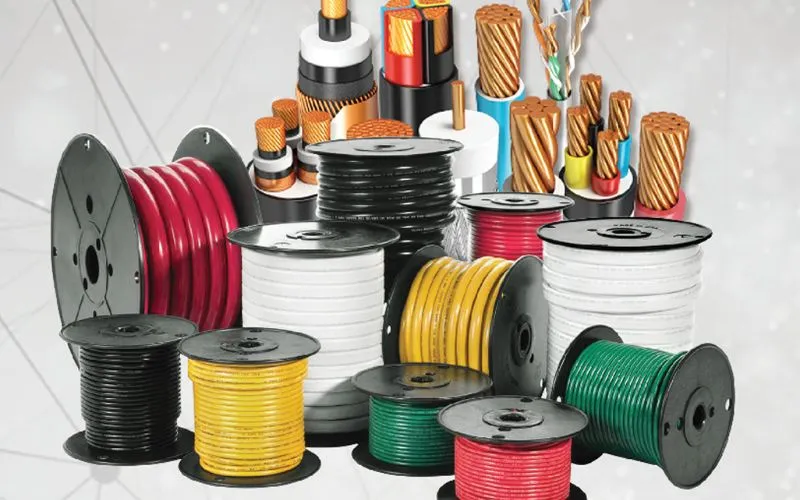
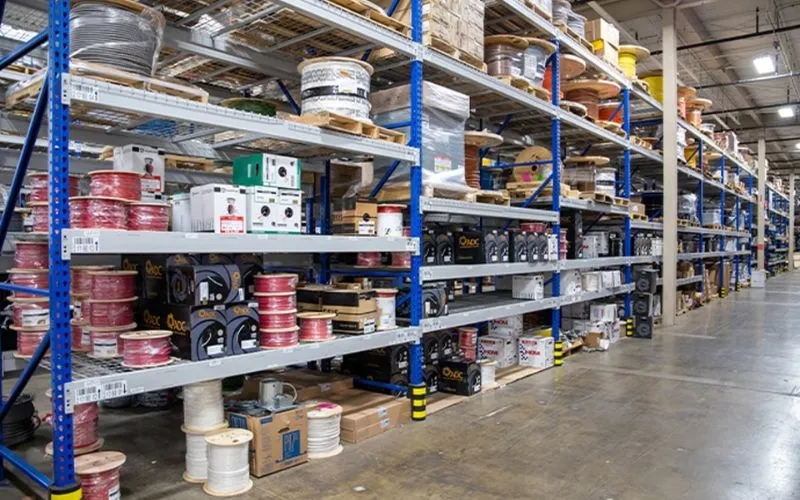
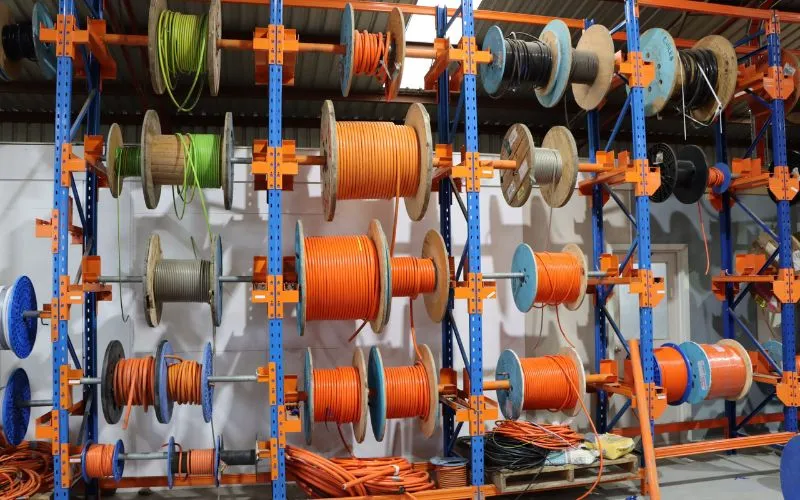
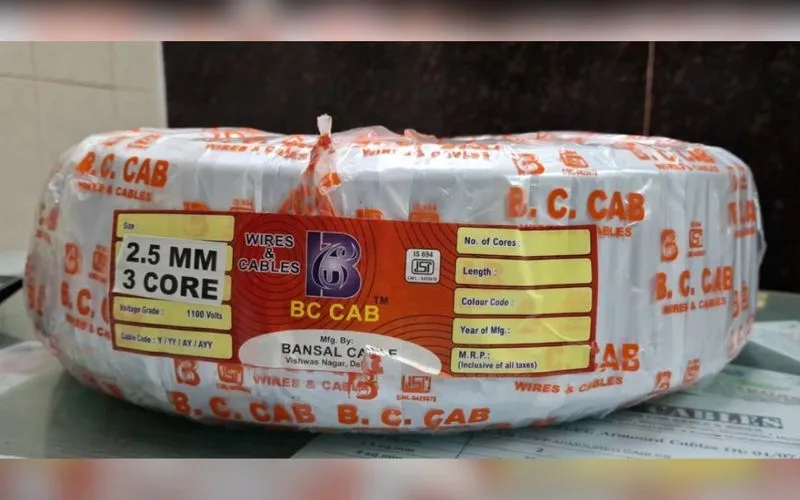
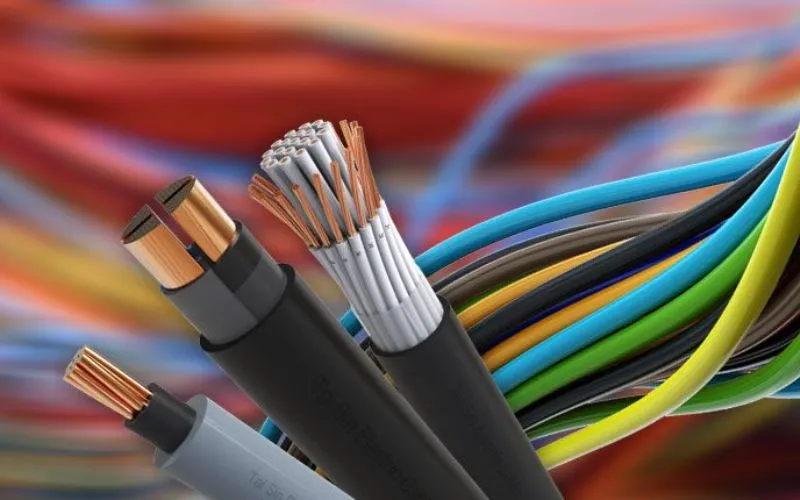
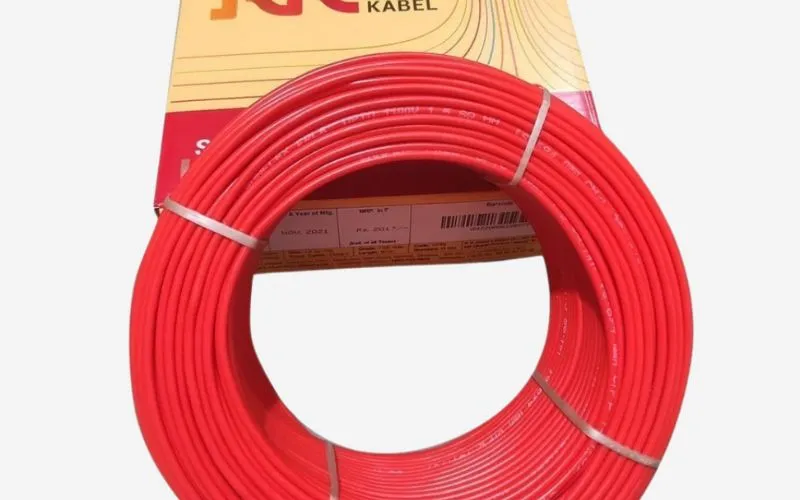
Discover Our Full Product Range:
| Category | Product | Details |
| Cable Ties | Cable Ties (Black & White) | 200mm–430mm lengths, standard & metal insert, packs of 100 |
| Twin & Earth Cable | 2 Core & Earth | 1.5mm, 2.5mm, 6mm, 10mm – 10m, 50m & 100m lengths |
| Twin & Earth Cable | 3 Core & Earth | 1.5mm – 50m & 100m |
| Armoured Cable | Armoured Cable | 16mm – 25m |
| Data Cable | Cat 6 Outdoor Cable | 305m (1000ft) |
| Single Core Cable | Single Core & Flex | 25mm blue, brown flex, earth cables (yellow/green) |
| Extension Reels | Extension Leads | 25m & 50m reels – 110V and 220–240V |
What This Actually Covers
This is the part of the job where power gets from A to B.
- Twin & earth is used across most internal wiring
- Armoured cable is used where protection is needed (external or underground)
- Single core cables handle specific connections and earthing
- Extension reels are used to bring power onto site
- Cable ties keep everything secure and tidy
It’s less about choice and more about using the right cable for the job and load.
FAQ’s:
What’s the difference between 1.5mm and 2.5mm twin & earth?
1.5mm is typically used for lighting circuits, while 2.5mm is used for sockets.
When do I need armoured cable?
When cables are exposed externally or buried — it provides added protection.
What voltage are extension reels?
Both are used — 110V for site tools and 220–240V for standard power.
What are cable ties actually used for?
Keeping cables grouped, secured and routed cleanly — especially during first fix.