
Wiring Accessories
These are the finishing pieces that turn a wired system into something usable. Sockets, switches and spurs are what you actually fit at the end of the job, once everything’s been run, tested and brought to position. This is the stage where layout decisions matter more than anything else, because once they’re in, they’re what people live with day to day.
Our range sticks to the essentials you’d expect to use on most jobs, whether you’re fitting out a new space or replacing existing points.
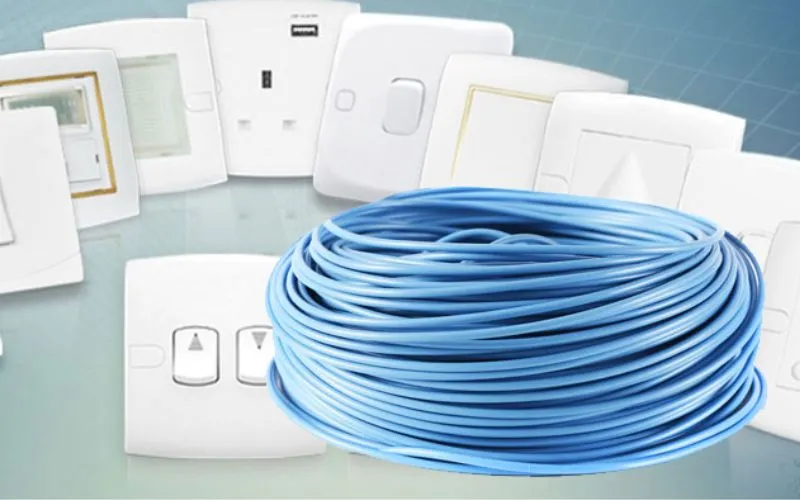
Discover Our Full Product Range:
| Product | Details |
| Double Socket with USB | 2 gang, USB A & C options |
| Double Socket | 13A, 2 gang |
| Single Socket | 13A, 1 gang |
| Plate Switch | 1 gang & 2 gang, 2 way |
| Spur with Neon | 1 gang switched spur |
| Isolator Switch | 1 gang |
A Few Practical Notes
Most of the decision here comes down to layout and use. Double sockets are standard in most rooms, with USB options often used where devices are being charged regularly. Spurs are typically used to isolate appliances, and isolator switches are common for things like fans or fixed equipment.
It’s not complicated, it’s about putting the right control in the right place so everything works as expected once the job’s finished.
FAQ’s:
What’s the difference between a spur and a socket?
A spur is used to control or isolate a single appliance, rather than provide a general plug point.
When would I use a 2-way switch?
When a light needs to be controlled from two locations — like at the top and bottom of stairs.
Are USB sockets worth using?
They’re commonly fitted now in living spaces and bedrooms to avoid needing separate plugs for charging.
Do I need isolator switches?
They’re typically used for fixed appliances like fans or heaters where a separate switch is required.