
Waste & Traps
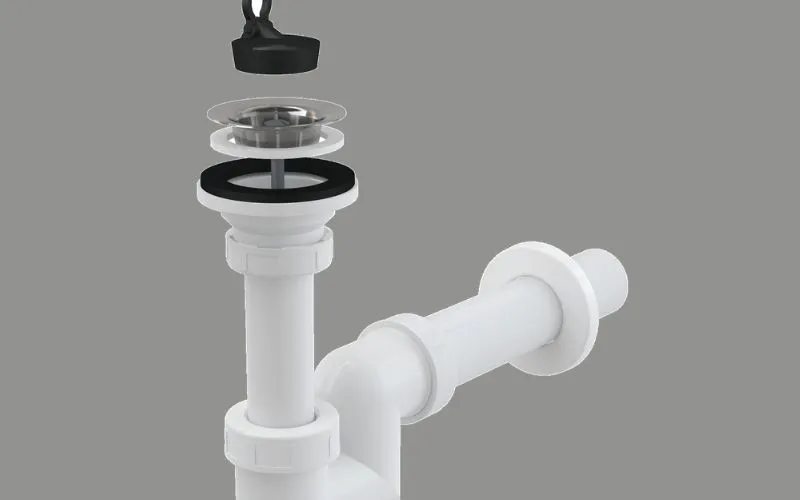
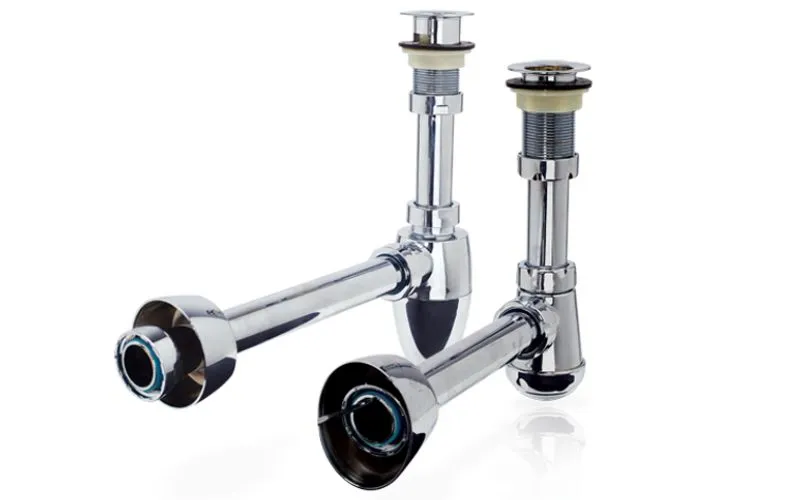
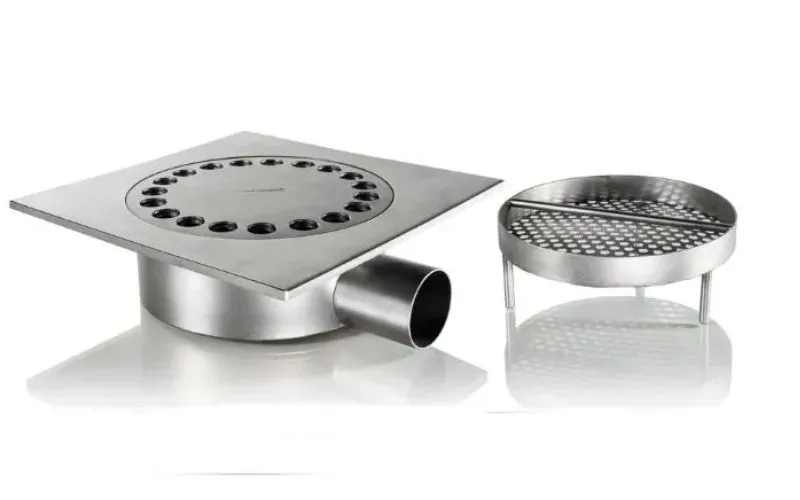
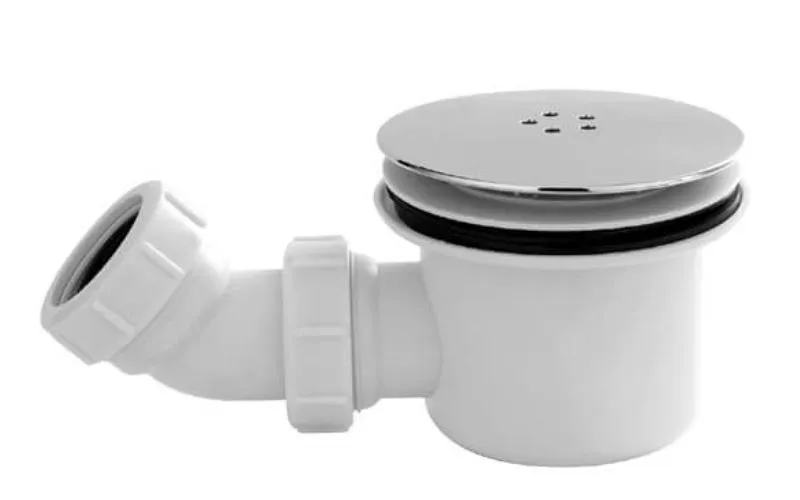
Waste and trap fittings are used to carry wastewater away from sinks, baths, showers and appliances while preventing foul smells from returning through the pipe system.
Traps hold a small amount of water inside the fitting, creating a seal that blocks gases from travelling back into the building. Pan connectors are used to connect toilets to the waste pipe system and allow different installation angles depending on the pipe layout.
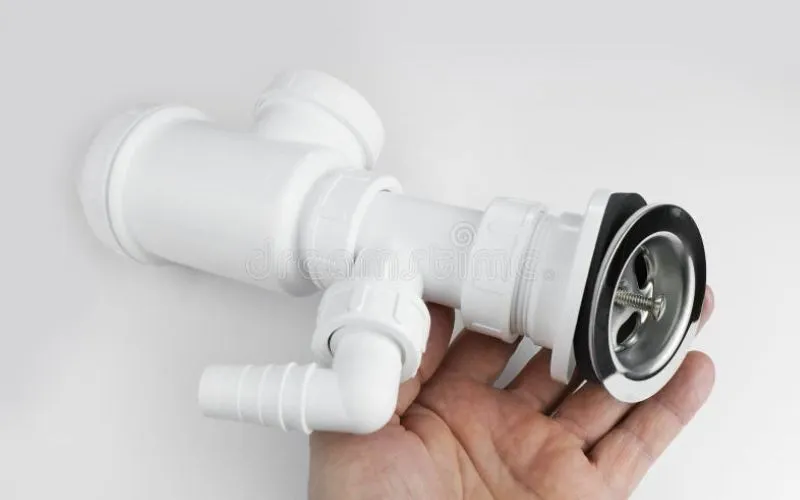
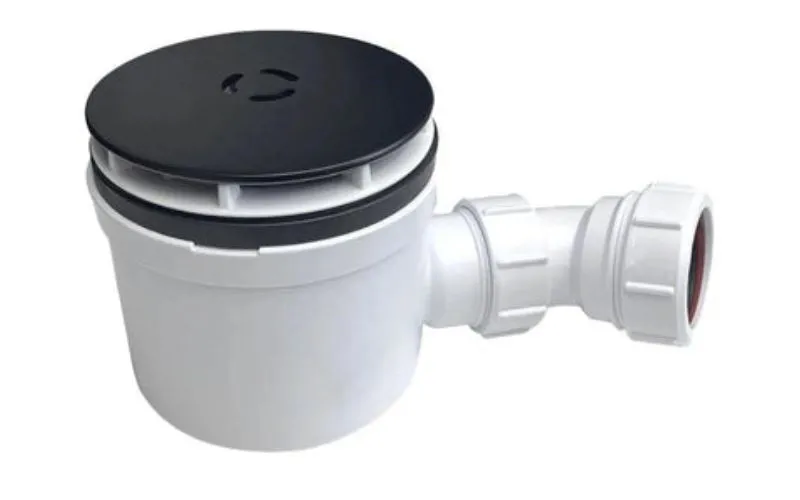
Discover Our Full Product Range:
| Product Type | Product | Sizes / Variants Available |
| Pan Connectors | WC Pan Connectors | Straight, offset, flexible connectors, extension connectors and 90° pan connectors |
| Bath & Sink Traps | Bottle Traps | 32mm and 40mm bottle traps used under basins and sinks |
| Appliance Traps | Appliance & Twin Appliance Traps | 40mm appliance traps and 40mm twin appliance traps for washing machines and dishwashers |
| Waste Traps | Adjustable P Traps | Adjustable P traps used for sinks and basins |
| Bath Traps | Bath Trap | 40mm shallow bath trap |
| Standpipe Traps | Stand Pipe Trap | 40mm stand pipe trap used for appliance waste pipes |
How Waste Systems Connect to Drainage
Waste traps connect fixtures inside the building to the wider plumbing and drainage system. Wastewater from sinks, baths and appliances flows through traps and pipework before connecting to the building’s soil or drainage system.
For toilet installations, pan connectors link the WC pan directly to the soil pipe. We also stock a range of compatible soil pipe drainage systems.
Once wastewater leaves the building, it normally connects to the external drainage network, for which we also hold a range of compatible underground drainage pipe systems.
FAQ’s:
Why do plumbing traps hold water inside them?
The water held inside a trap forms a seal that prevents foul smells and gases from travelling back up the pipework into the building.
When would a flexible pan connector be used?
Flexible connectors are typically used when the toilet outlet and soil pipe do not line up perfectly, allowing the connection to be adjusted during installation.
What is the difference between a bottle trap and a P trap?
Bottle traps are more compact and commonly used under basins, while P traps provide a smoother flow path and are often used for sinks and appliances.
When would a twin appliance trap be needed?
Twin appliance traps allow two appliances, such as a washing machine and dishwasher, to connect to the same waste outlet.